
SEO basics
151 articles
Understand SEO fundamentals, when SEO is useful and which problems to address first.
 PR
Parasite SEO is not necessarily the same as black hat SEO. What makes a practice black hat is whether it violates search engine guidelines, not whether the…
How can you evaluate SEO learning resources and paid courses?When evaluating SEO learning resources, first check whether claims are supported by evidence, then consider whether the content suits your level and needs.…
What Is a SERP, and Why Analyze Rankings and Search Results?SERP stands for search engine results page: the results users see after entering a query. It includes website links as well as formats such as images, maps,…
How do you create a nofollow link?The basic way to create a nofollow link is to add rel="nofollow" to the link’s HTML tag. To verify the setting, check the link’s HTML rather than looking…
How do you set up SEO metadata for a blog?To set up SEO metadata for a blog, start by preparing titles, descriptions, and social sharing thumbnails for the site and each post. Then use your site's…
What are crawlability and indexability, and how do they affect SEO? PR
 PR
 PR

Crawlability refers to whether search engines can discover and access a page; indexability refers to whether a page can be added to a search engine’s index.…
Why Are Title Tags and Descriptions Important?Title tags and descriptions serve different purposes: a title tag identifies a page’s topic, helping search engines and readers understand its content; a…
How do core SEO principles, page content, and markup affect search performance?The central aim of SEO is to make a website worth visiting, with page content that answers the audience’s questions. When discussing markup, it is important…
Does PageRank Measure an Entire Website or an Individual Page?PageRank measures individual web pages, not entire websites. Saying that “one website has a higher PageRank” is therefore not precise enough: you first need…
Do Meta Descriptions Affect Rankings and Clicks? Their Role and Limitations ExplainedMeta descriptions do not directly affect Google search rankings, but when used as search snippets, they may influence whether users click. Their value lies…
Why are head and meta tags important for SEO?The head is the section of HTML that provides information about a web page. Meta tags are one type of tag used there to supply additional page information…
What Is an H1, and What Does It Do for SEO and Users?An H1 is an HTML tag that identifies a webpage’s main heading, helping visitors and search engines understand the page’s central topic. It helps users…
How Do You Start Writing SEO Copy and Choosing Keywords? PR
 PR
 PR
To start writing SEO copy, use readers’ common questions and your products and services to build a list of potential keywords. Then use one or two tools to…
How can you tell whether a content topic falls under YMYL?To determine whether content falls under YMYL, look beyond the topic name and ask whether trusting incorrect, misleading, or low-quality information could…
How should beginners optimize content and keywords? Understand search intent first, then plan your contentBeginners can start with a few keywords relevant to their website’s topic, identify the problems searchers want to solve, write useful, readable content,…
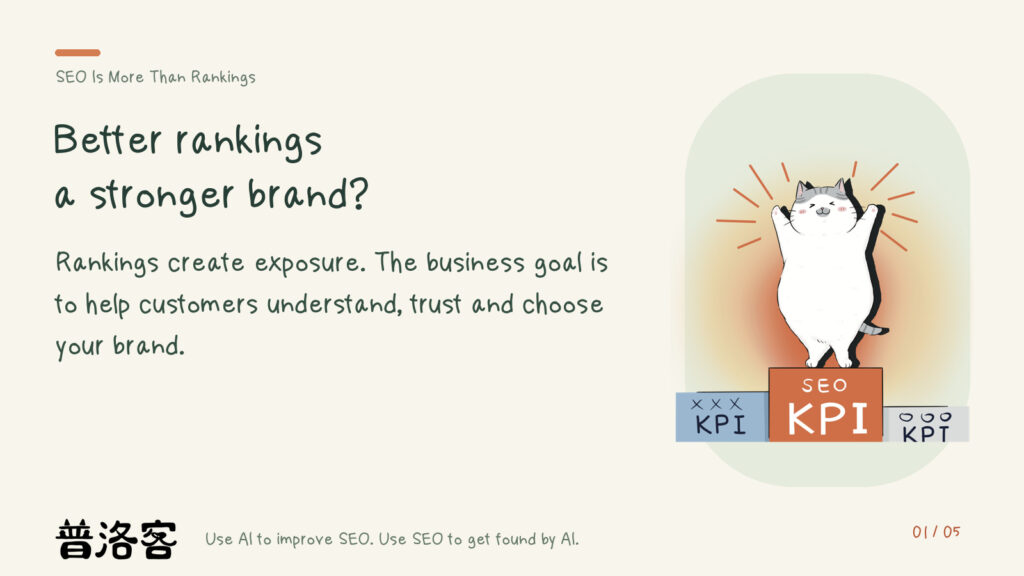 What Ten Years of SEO Taught Me About Its Real Purpose
Better rankings are not the same as a stronger brand. A perspective from ten years of SEO on user needs, branded searches and turning visibility into trust.
What is keyword stuffing, and what effects can it have?Keyword stuffing means excessively inserting or repeating keywords in content or URLs to manipulate search rankings rather than communicate information…
What Is Blog SEO, and How Do You Implement It?Blog SEO involves optimizing article content and the website experience for search engines. The aim is to help readers looking for relevant information find…
What Is YMYL? Why Content Quality and Rigorous Evaluation Matter for SEO on High-Risk TopicsYMYL stands for “Your Money or Your Life” and refers to content that could significantly affect health, financial stability, personal safety, or societal…
How Do YMYL and E-E-A-T Affect SEO? PR
 PR
 PR
YMYL refers to topics that could significantly affect health, finances, safety, or well-being. E-E-A-T is a framework for evaluating content quality through…
What Is SEO Copywriting, and Why Does It Matter?SEO copywriting combines search engine optimization with persuasive writing: first understand what your target readers are searching for, then answer their…
What Is E-E-A-T? Understanding the Relationship Between Website Quality, Search Performance, and RankingsE-E-A-T stands for experience, expertise, authoritativeness, and trustworthiness. Google’s search quality raters use this framework to evaluate content…
What are keyword phrases, and what value do they offer for SEO?A keyword phrase is a specific group of words that a webpage aims to rank for in search results. It is usually more detailed than a single, broad keyword.…
What Is Keyword Research? Assess Search Intent and Competition Before Choosing ToolsKeyword research means identifying and analyzing the search terms your target audience uses. The goal is to decide which terms are worth creating content…
What is keyword optimization, and why is it valuable?Keyword optimization means choosing search terms relevant to a page’s topic and its audience’s needs, then incorporating them naturally into the content,…