
 PR
A single page can contain multiple meta descriptions, but this is not a recommended way to offer alternatives. The articles discussed below recommend keeping one description per page, because multiple descriptions may make it harder for search engines to choose one and may affect the search snippet. However, these recommendations and the user-reported case do not establish that multiple tags necessarily trigger a penalty or that search engines will always use a particular one.
 PR
 PR

Having multiple descriptions does not mean search engines will use them as intended
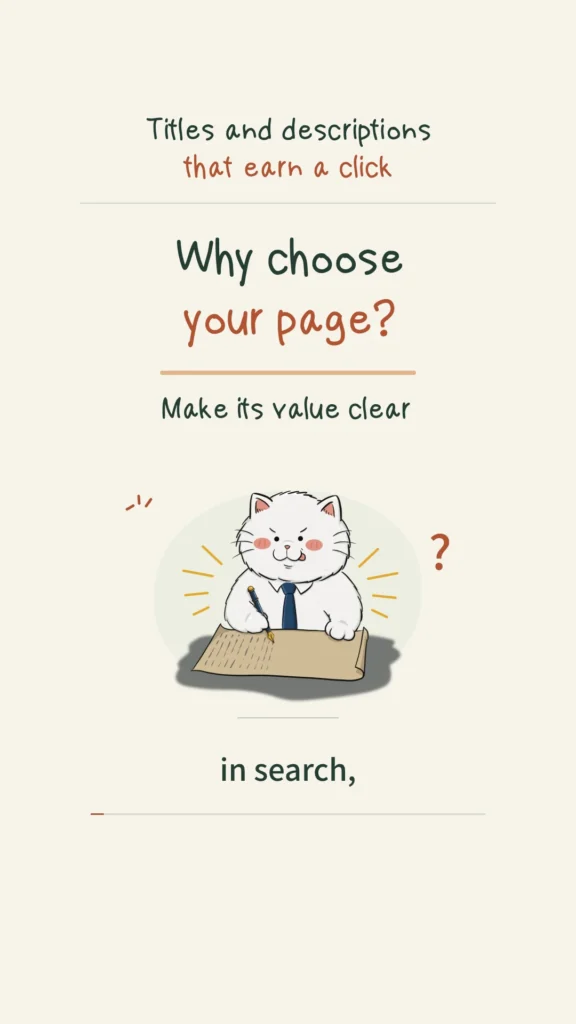
In a 2022 article, Welly noted that multiple meta descriptions may leave search engines unable to decide which one to use. This could even lead to a mismatch between the description in search results and the page content. A 2023 Semrush article offered a similar warning: multiple descriptions on the same page may cause confusion and affect how content appears in search results.
Both articles describe these risks as possibilities, not inevitable outcomes. Neither explains selection rules such as “the first takes priority” or “the last overrides the others.” Nor do they establish that adding several descriptions will let you target different search terms with each one.
Find the source of duplicate descriptions before deciding which one to keep
In a Webmasters Stack Exchange case, a user reported finding two description tags in the page source while both SEO Ultimate and Yoast were enabled. The user wanted to turn off Yoast’s description output and said they planned to disable the plugin to see whether the URLs changed.
This individual report cannot be treated as a general finding about the current versions of both plugins. It also included no results confirming what happened after the plugin was disabled. Drawing on this case, you can check duplicate descriptions in this order:
- Check how many description tags the page actually outputs, not just how many fields are filled in within the admin interface.
- Identify which setting or plugin generates each description before deciding which one to keep.
- Check the output again after making changes. The proposed fix of disabling the plugin was not verified, so it is not guaranteed to leave everything else unaffected.
A rewritten search snippet does not mean another description is needed
The same Welly article states that search engines rewrite meta descriptions based on users’ search terms. If search results do not use your original wording, that does not necessarily mean duplicate tags are to blame. It also does not mean that adding another description will solve the problem.
For example, if you want to convey two different messages for the same page, the advice above points toward choosing one description that closely matches the page content and users’ needs, rather than expecting search engines to select different tags for specific scenarios.
Also, multiple descriptions on one page and the same description shared across multiple pages are separate issues. Semrush’s recommendation to give each page a unique description addresses the latter; it does not explain the order in which search engines select description tags on a single page.
 PR
 PR

Meta descriptions: perspectives from across the web
If you cannot write a suitable meta description, do you have to fill it in anyway?
Not necessarily. In a 2022 article, Welly suggested that if you do not know what to write, you could consider leaving the field blank and letting search engines decide, rather than filling it with irrelevant text. This is writing advice, not a guarantee of an ideal search snippet. The article also provides no test results showing what happens when the description is omitted.
 PR
References
- Using Excerpts as Meta Descriptions?webmasters.stackexchange.com — Source used in the article above.
- Meta Title/Meta Description是什麼?教你SEO Meta Tag該如何寫!welly.tw · 2022-03-22T03:28:26.469Z — Discusses: If you cannot write a suitable meta description, do you have to fill it in anyway?
- Duplicate Meta Descriptions: Here’s How to Fix Themwww.semrush.com · 2023-12-13T11:18:00Z — Source used in the article above.
 PR
 PR